
Hi, I’m Mira Pistillo, and This is My Story
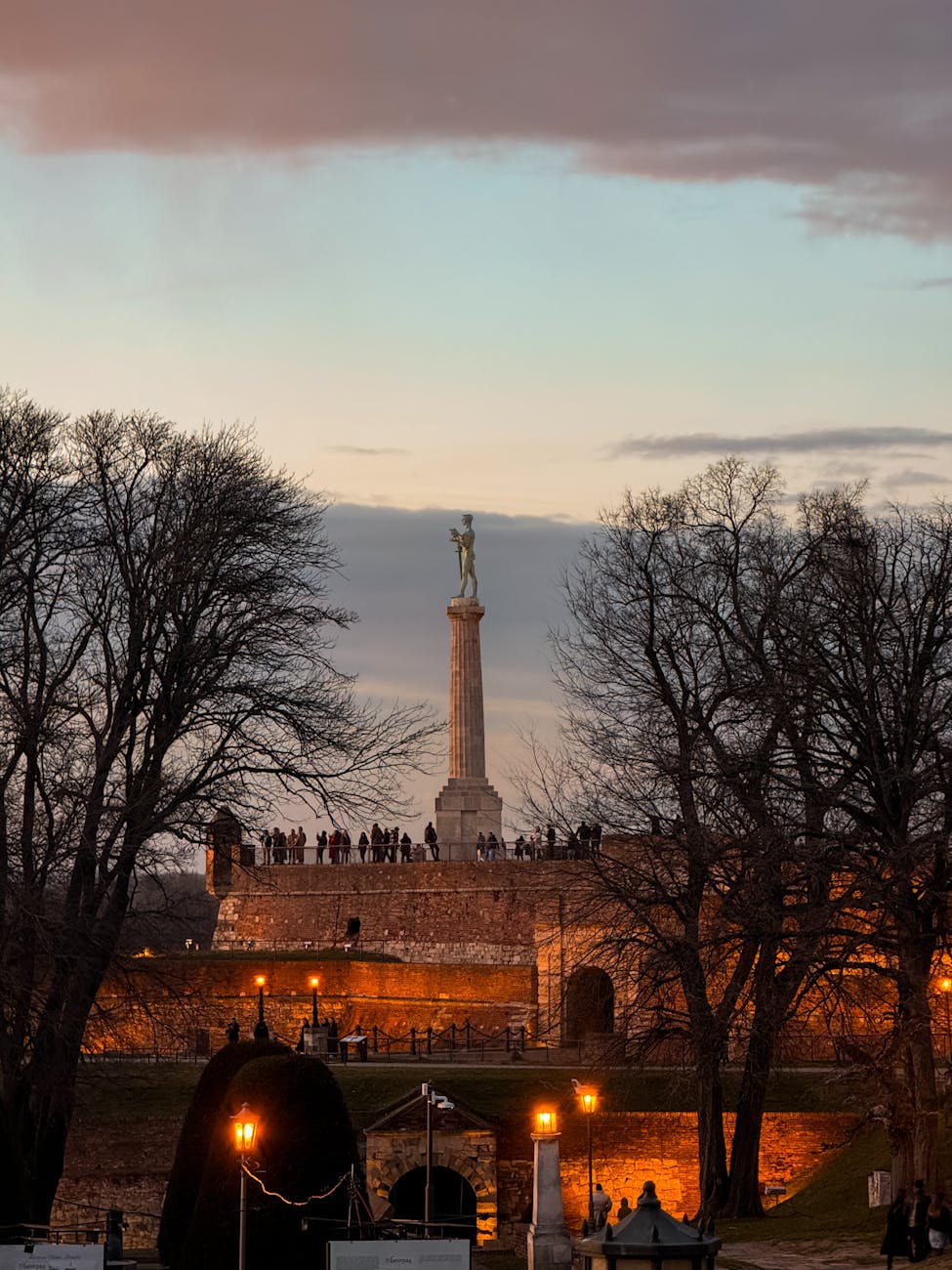
I grew up in Serbia during a time when psychiatric help was out of reach. In 1999, at 19 years old, I lived through the NATO bombing of my country—a period marked by fear, uncertainty, and sirens that split the sky for 78 days. My generation learned to carry deep, unspoken trauma while showing up for life, normalizing anxiety and hypervigilance just to get through each day. I also grew up in a home marked by family violence, which drove me to find refuge in quiet corners, books, and my own inner world. Without access to care, I turned to psychology and psychiatry as lifelines – ways to make sense of the chaos and carve a path toward healing.
Those early struggles didn’t just shape my career; they shaped my mission. I know what it’s like to carry invisible wounds and the strength it takes to function while holding them.
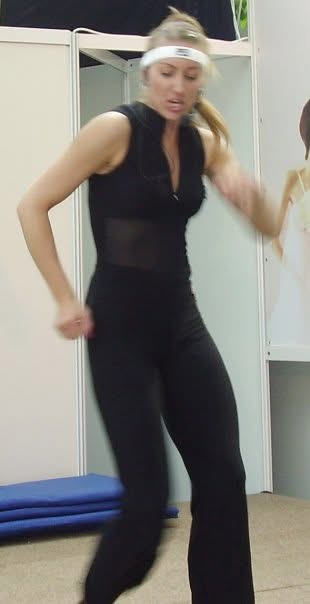
Sports became my sanctuary—a space where I could breathe, move, and be. Running and swimming gave me freedom and a sense of control in a world that felt unpredictable. Leading group fitness classes and working as a swim coach gave me purpose, structure, and a sense of belonging. For a time, I even appeared on Serbian national TV, leading exercise segments to help people stay grounded and active through uncertainty. Over time, I realized that movement wasn’t just about fitness—it was about resilience, connection, and reclaiming calm in the middle of chaos. That belief continues to shape how I approach mental health today—honoring the body as a powerful ally in healing.

Science, Survival, and a Leap Across the Ocean
My desire to learn and to build a different life eventually led me to the United States, where I earned a scholarship to pursue a master’s in exercise science with a focus in biomechanics in Omaha, Nebraska. After graduating, I accepted a PhD position in Houston, spending two years researching exercise immunology. While I loved academia, I yearned to apply what I was learning in a way that directly impacted people’s lives.
Given my personal journey, psychiatry felt closest to my heart, allowing me to blend science, the mind-body connection, and human stories in a way that fosters true healing. As you can tell, I’m no stranger to hard work or to building something out of nothing—and I bring that same dedication and resourcefulness to the care I provide, taking time to understand your story and helping you build a life rooted in clarity, resilience, and hope.

Punches, Pedals, and a Love for Croissants
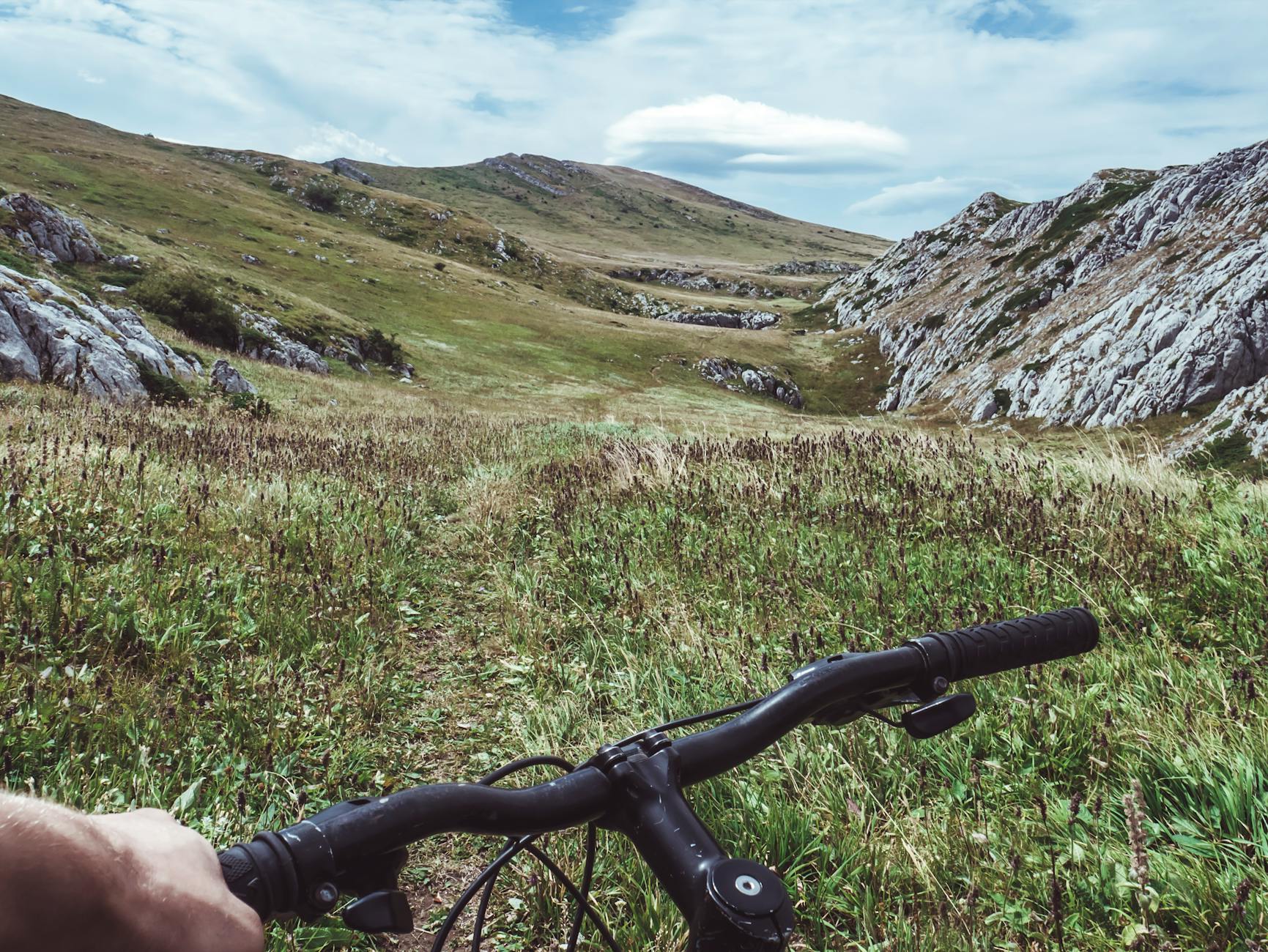
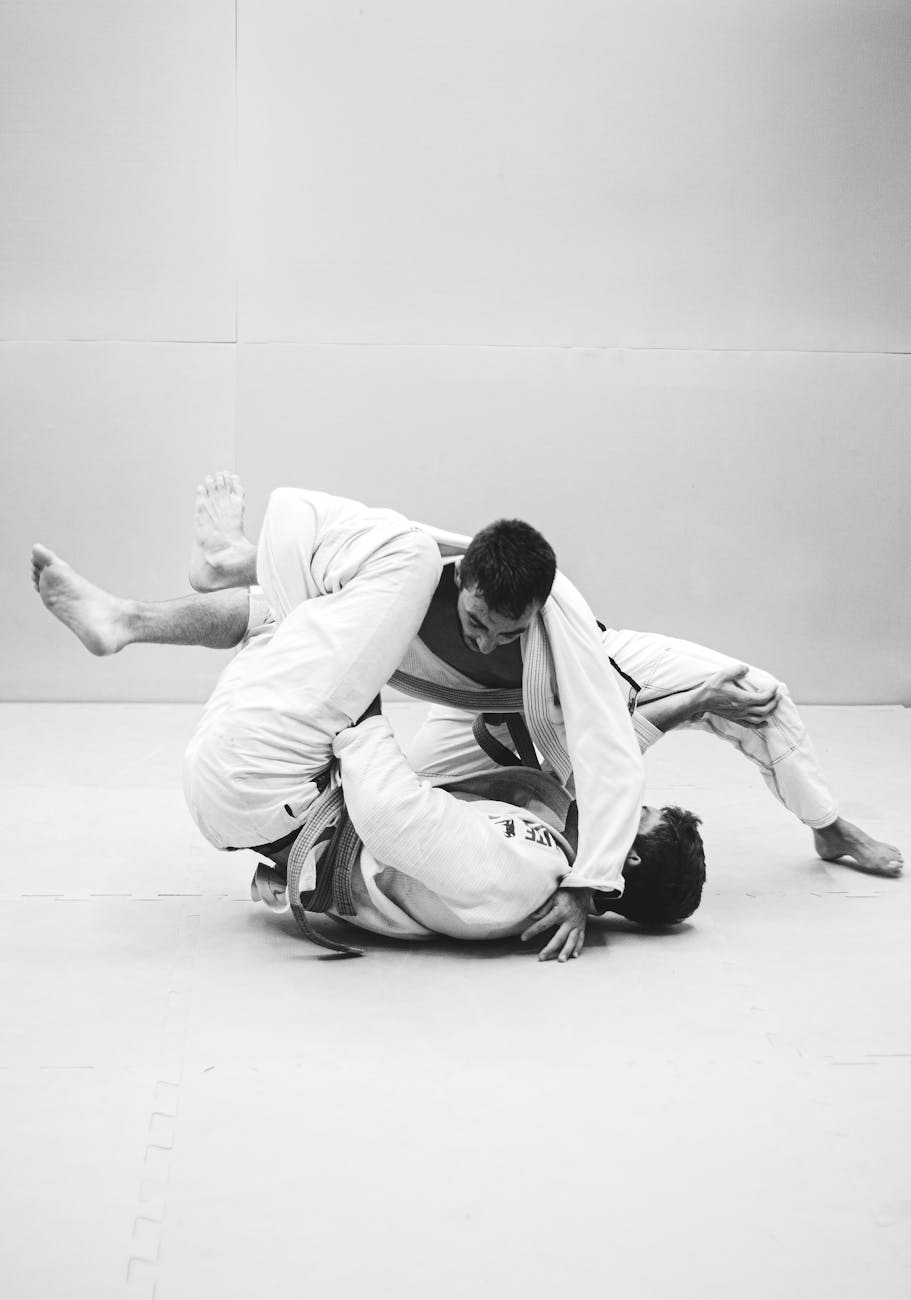
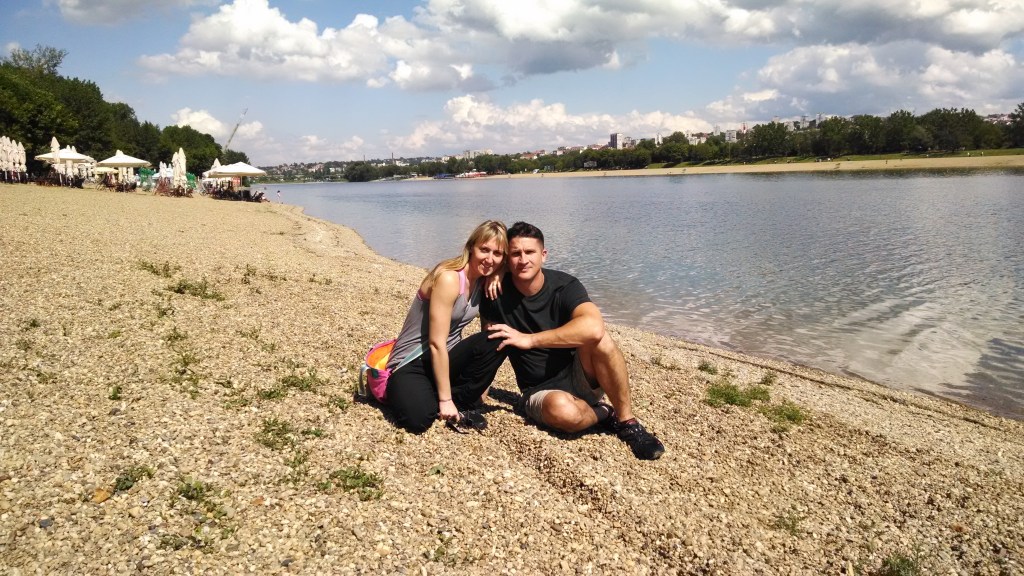
Outside of the clinic, I’m a Brazilian Jiu-Jitsu enthusiast and a lover of intense workouts, mountain biking, and swimming. I’ve always been curious about the world, which led me to my love of languages. I speak Serbian, Croatian, and Spanish—which I first learned because I loved the music but had no idea what they were saying—and I used to be fluent in French, though now the only thing truly fluent is my love for their bread and croissants.
From the outside, the multiple degrees and research publications might give away that I’m a bit of a geek by nature, which explains my fascination with integrative approaches that blend science with the human experience, meeting people where they are while empowering them to thrive.
Geek By Nature, Fighter by Choice






The Rescues Who Rescued Me
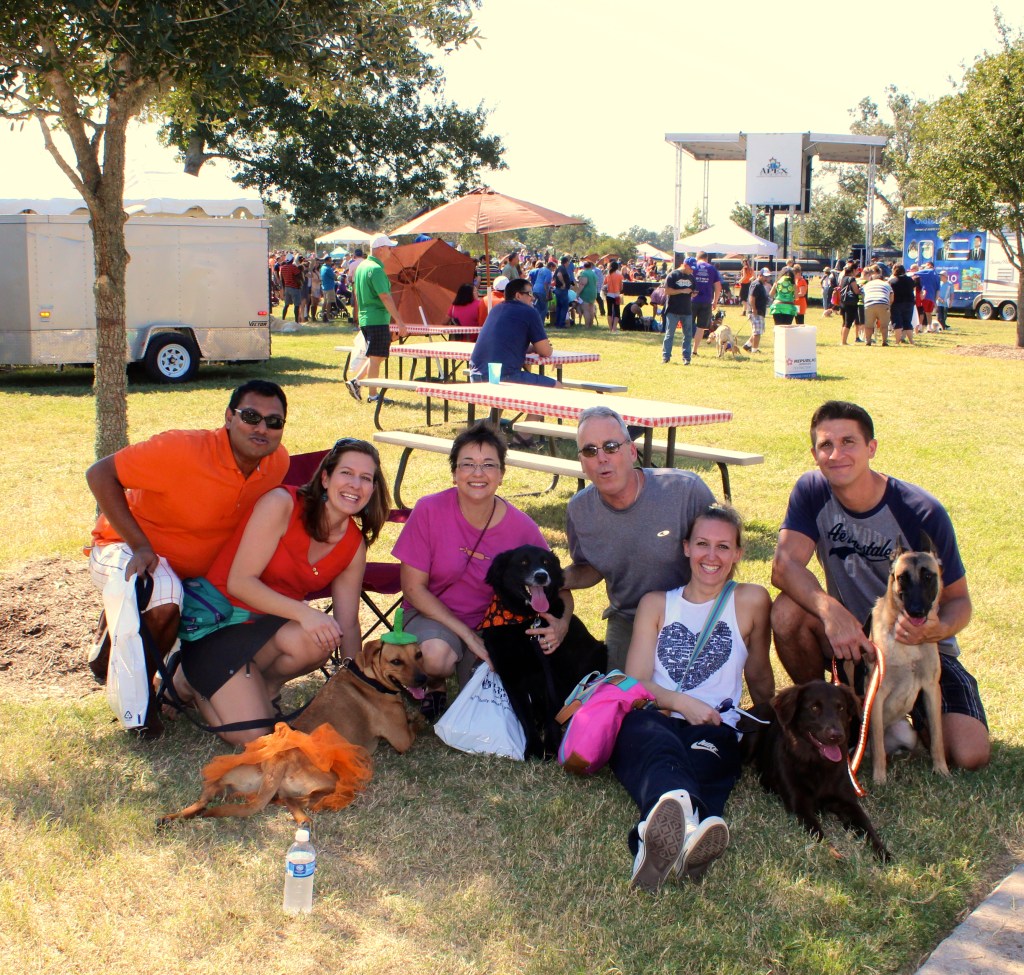
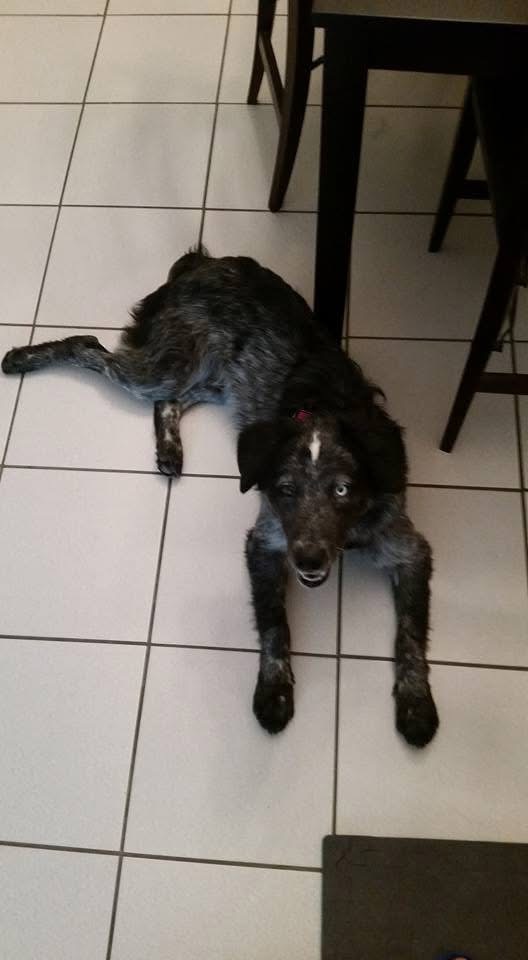
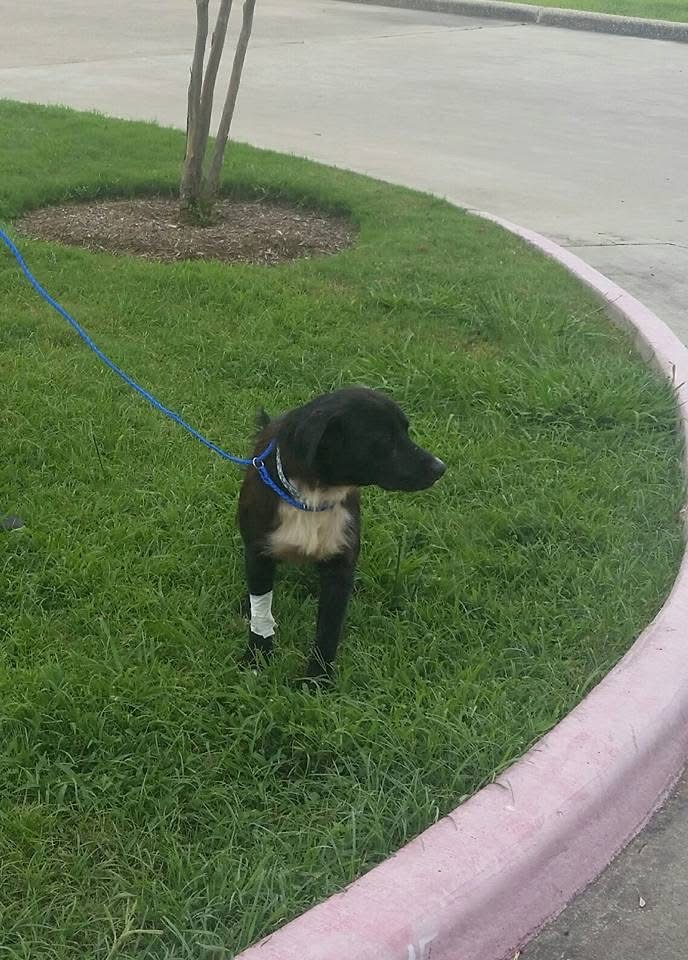
Rescuing animals has been one of the quiet threads of healing in my own journey. After growing up in chaos and uncertainty, bringing dogs and cats into our home has been a way to create the safety and comfort I once longed for. Each foster placement and adoption feels like a small act of restoring order to the world, a reminder that even small actions matter. My husband and I have rescued many dogs over the years (see the slideshow below!), and our rescue crew isn’t just part of our home—they’re family and daily teachers in presence, patience, and unconditional love. They remind me to slow down, take deep breaths, and find joy in simple moments.
In a life once shaped by survival, rescuing animals has become a way of giving back, creating the kind of peace I want to help my patients find, and a reminder that we can always choose to show up for others, even in small, quiet ways.
Pawprints on My Heart (and My Couch)

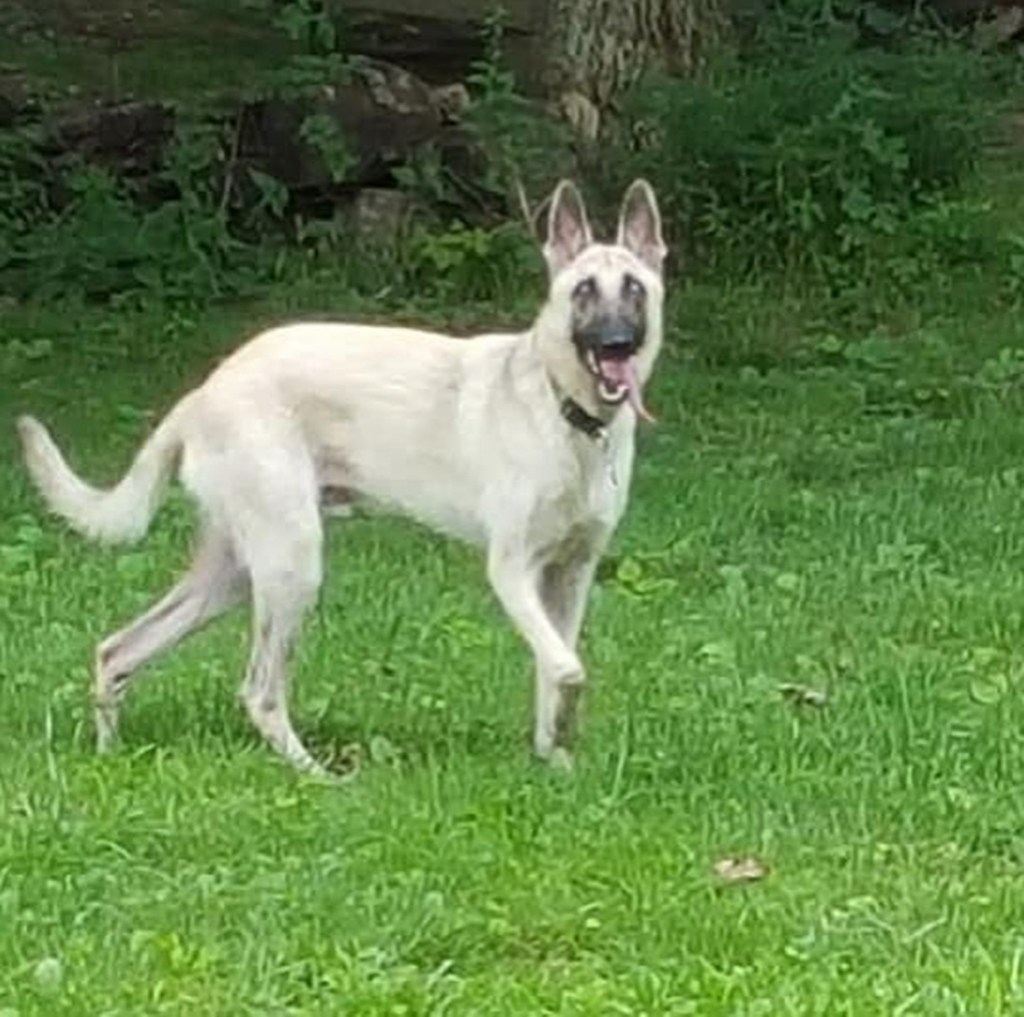


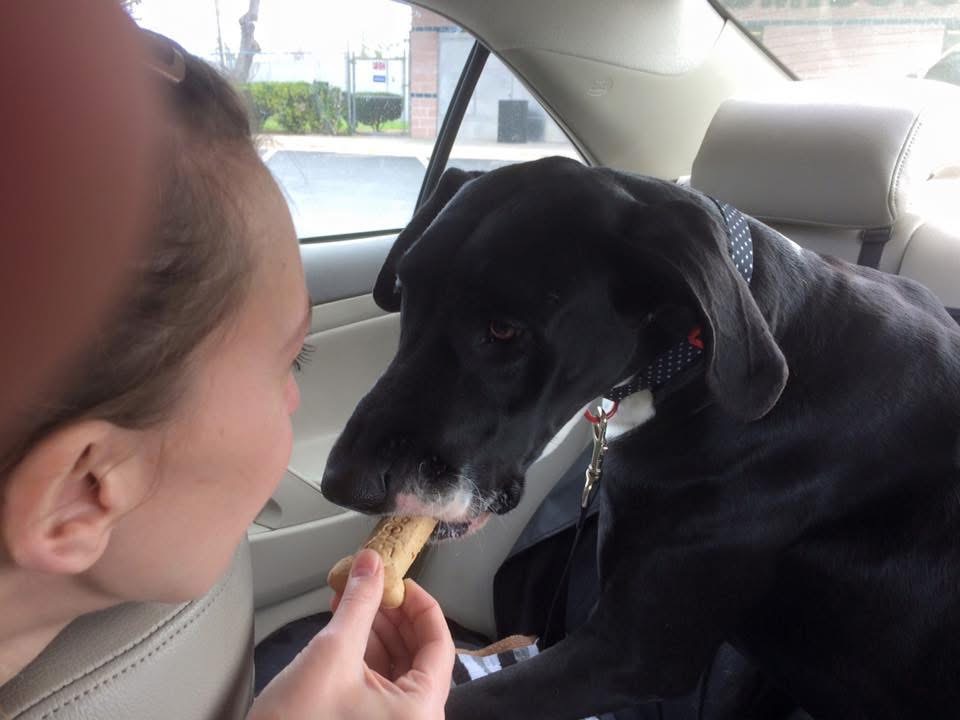
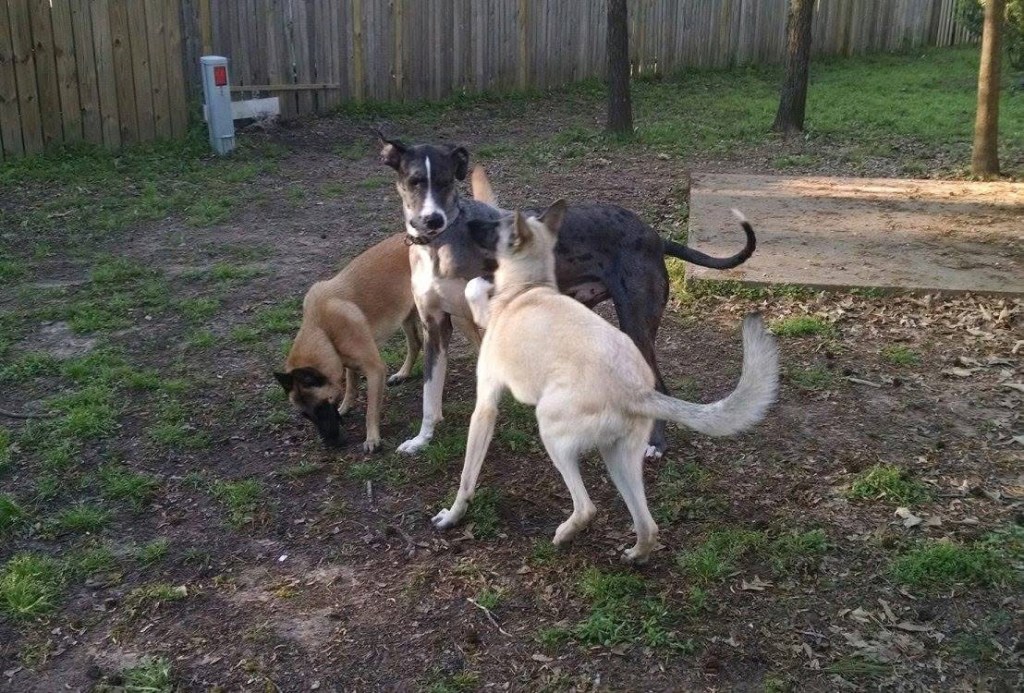
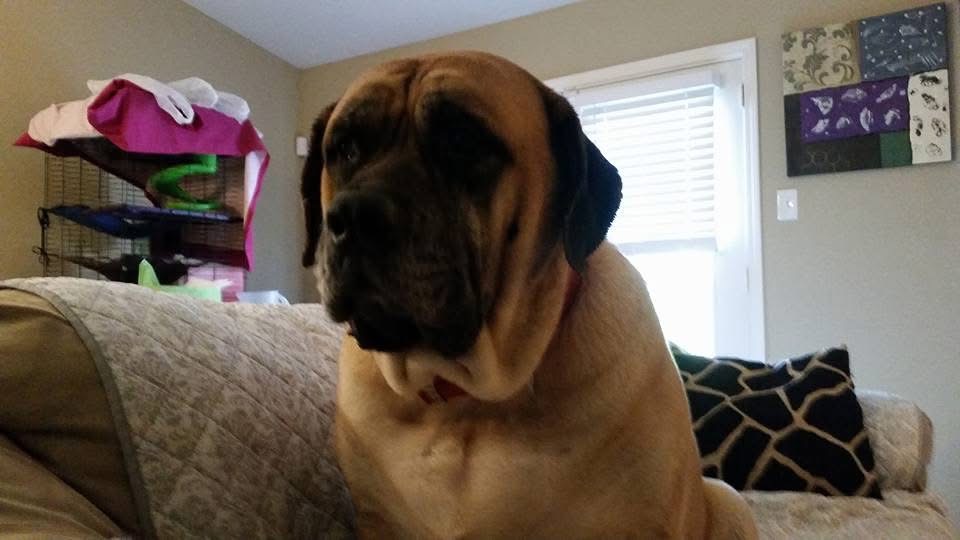

I believe in bringing the same dedication to my patients that I have brought to my education and research. My background reflects a commitment to curiosity, lifelong learning, and a deep respect for the science that guides compassionate, integrative care. Below, you’ll find the training, publications, and research that continue to shape the thoughtful, evidence-based care I offer in my practice.
Education & Professional Credentials
- PMHNP, Psychiatric-Mental Health Nurse Practitioner – Cox College, Springfield, MO
- BSN, Nursing – Sam Houston State University (Honors Society Member)
- MS, Exercise Science (Biomechanics) – University of Nebraska at Omaha
- Two years of PhD study in Exercise Immunology – University of Houston
- BA, Physical Education, Strength & Conditioning – University of Belgrade, Serbia
- Associate Degrees in Fitness & Wellness Coaching and Swimming Coaching – Sports Academy, University of Belgrade
- Fellowship in Integrative Psychiatry – Dream Practice Academy
- Certified in Biofeedback
- Over a decade teaching Kinesiology and Fitness at Lone Star Community College
- Former researcher in gait analysis, immune response to exercise, and movement science
- Multiple peer-reviewed publications in immunology, biomechanics, and exercise physiology
- Former national television fitness instructor in Serbia (RTS)


Research & Publications
- LaVoy, E. C, Hussain, M., Reed, J., Kunz, H., Pistillo, M., Bigley, A. B., Simpson, R. J. (2017). T-cell redeployment and intracellular cytokine expression following exercise: effects of exercise Abstract available here
- Bigley, A. B., Rezvani, K., Shah, N., Sekine, T., Balneger, N., Pistillo, M., Agha, N., Kunz, H., O’Connor, D. P., Bollard, C. M., Simpson, R. J. (2016) Latent cytomegalovirus infection enhances anti-tumor cytotoxicity through accumulation of NKG2C+ NK cells in healthy humans. Clinical and experimental immunology, 185(2): 239-251. Abstract available here
- Bigley, A. B, Rezvani, K., Pistillo, M., Reed, J., Agha, N., Kunz, H., O’Connor, D. P., Sekine, T., Bollard, C. M, Simpson, R. J. (2015).Acute exercise preferentially redeploys NK-cells with a highly differentiated phenotype and augments cytotoxicity against lymphoma and multiple myeloma target cells. Part II: Impact of latent cytomegalovirus infection and catecholamine sensitivity. Brain, Behavior and Immunity, 49: 59-65. Abstract available here
- Kunz. H., Bishop, N. C, Spielmann, G., Pistillo, M., Reed, J., Ograjsek, T., Park, Y., Mehta, S. K, Pierson, D. L, Simpson, R. J. (2015). Fitness level impacts salivary antimicrobial protein response to a single bout of cycling exercise. European Journal of Applied Physiology, 115(5): 1015-27. Abstract available here
- Bigley, A.B., Rezvani, K., Chew, C., Sekine, T., Pistillo, M., Crucian, B., Bollard, C.M., and Simpson, R.J. (2014a). Acute exercise preferentially redeploys NK-cells with a highly-differentiated phenotype and augments cytotoxicity against lymphoma and multiple myeloma target cells. Brain Behav Immun 39, 160-171. Abstract available here
- Bigley, A.B., Spielmann, G., LaVoy, E.C., Pistillo, M., Kunz, H., Agha, N., and Simpson, R.J. (2014b). Latent cytomegalovirus infection enhances baseline anti-tumor cytotoxicity but impairs NK-cell responses to acute exercise through preferential expansion of NKG2C+ NK-cells in healthy humans. Brain Behav Immun 40S, e44. Abstract available here
- Pistillo, M., Bigley, A. B., Spielmann, G., LaVoy, E. C., Morrison, M. R., Kunz, H., Simpson, R. J. (2013). The effects of age and viral serology on cd T-cell numbers and exercise responsiveness in humans. Cellular Immunology 284; 91-97. Abstract available here
- Bigley, A. B, Rezvani, K., Chew, C., Sekine, T., Pistillo, M., Crucian, B., Bollard, C.M, Simpson, R.J. (2013). Acute exercise preferentially redeploys NK-cells with a highly-differentiated phenotype and augments cytotoxicity against lymphoma and multiple myeloma target cells. Brain, Behavior, and Immunology, 39: 160-171. Abstract available here
- Vallabhajosula, S., Yentes, J. M., Momcilovic, M., Blanke, D. J., Stergiou, N. (2012) Do lower-extremity joint dynamics change when stair negotiation is initiated with a self-selected comfortable gait speed? Gait Posture, Feb;35(2):203-8. Abstract available here
Research Abstracts & Presentations
- Simpson, R. J., Bigley, A. B., Spielmann, G., LaVoy, E. C., Morrison, M., Momcilovic, M. Age-related differences in the senescent CD8+ T-cell response to acute exercise: are they infectious? University of Houston, Houston, TX
- Park, S-H., Momcilovic, M., and Stergiou, N.: “How do we transition from level walking to stair ascending?” Accepted for poster presentation at Neuroscience November 2010.
- Momcilovic, M., Decker, L. M, Fagan, S. A, Rodriguez-Aranda, C. E, Potter, J. F, Stergiou, N. “Performance of the dichotic listening task under various attentional instructions have differential effects on gait asymmetry in young adults”. Accepted for poster presentation at Neuroscience October 2009, and presented at Research & Creativity Fair at University of Nebraska at Omaha on April 7th, 2010.
- University Committee on Research & Creative Activity (UCRCA): “Reliability test of handrail force during stair negotiation”, from 01/21/2009 until 06/30/2009, $500, Role: Secondary- Investigator.
- Momcilovic, M., Kaipust, P. J., Chen, S. J. “Handrail effects on low limb biomechanics during stair ascent”. Presented at 40th Midwest Student Biomedical Research Forum (MSBRF): 28 February 2009, Omaha, Nebraska.
- Kaipust, P. J., Momcilovic, M., Chen, S.J. “Peak Contact Pressure Distribution during Stair Negotiation”. Presented at 40th Midwest Student Biomedical Research Forum (MSBRF): 28 February 2009, Omaha, Nebraska.

 Wholistic Psychiatry, PLLC, Mira Pistillo, PMHNP